




Summary:
- What are the risks of sun exposure for babies?
- Which hours are best for safe sun exposure?
- What are the essential precautions for exposing my child to the sun?
- Why choose Ki ET LA products?
Sun exposure is enjoyable, but for little ones, it requires very special attention. The skin of the youngest is extremely thin, their eye health is in full development, and the risks associated with ultraviolet rays are very real. If you are wondering when and how to expose your child to the sun safely, to limit the risk of skin cancer, this article provides all our advice.
What are the risks of sun exposure for babies?
UVA and UVB rays
The sun's rays are divided into UVA, UVB, and UVC (filtered by the atmosphere). UVA rays, responsible for tanning, penetrate deep into the skin and cause skin aging. UVB rays cause sunburn on all skin types and DNA mutations in skin cells, increasing the risk of cancers such as melanoma. UV rays are present at the beach, in the snow, and in the mountains.
Eye diseases and sunburn of the eyes
The vision of infants is very sensitive to solar radiation. Prolonged exposure can cause inflammation of the cornea known as photokeratitis, and in the long term, promote conditions such as early cataracts. This is why it is essential to have them wear appropriate UV protection from an early age!
Difficulty regulating baby's temperature
Before 1 year of age, infants do not yet regulate their body temperature well. The body can quickly overheat under the combined effect of the sun and heat, leading to dangerous heatstroke.
Dehydration, sunburn
Dehydration occurs very quickly in toddlers, especially when exposed to heat without regular water intake. The skin of children is also very vulnerable, even over short durations. A sunburn during childhood can already lead to harmful & lasting cellular effects.
Which hours are best for safe sun exposure?
Babies under 6 months: indirect exposure only
Before 6 months, you should never expose a baby directly to the sun. Contact with the sun must be indirect, in the shade, under a parasol or tree, with light covering clothing, a hat, and a pair of sunglasses.
The least dangerous hours: before 11 a.m. and after 4 p.m.
In the morning before 11 a.m. and in the late afternoon after 4 p.m., UV radiation is weaker. These are the safest times to enjoy the sun in a controlled manner, with the right precautions.
Why avoid the sun between 12 p.m. and 4 p.m.
The peak intensity of UV rays occurs between 12 p.m. and 4 p.m. The UV index is often at its highest during this time frame, even if there are clouds. It is therefore strongly recommended to stay in the shade during these critical hours.
The importance of progressive and limited exposure
Start with short periods spent outside, a few minutes a day, avoiding UV peaks. This allows the body to produce vitamin D while reducing the risks of burning or dehydration.
What are the essential precautions for exposing my child to the sun?
Shade: parasols, trees, strollers with UV protection
Always look for a shaded area, especially for infants. Use a parasol, a stroller with an anti-UV canopy, or sit under a tree. Shade does not replace sun protection, but it complements it effectively.
Protective clothing: wide-brimmed hats, anti-UV clothing
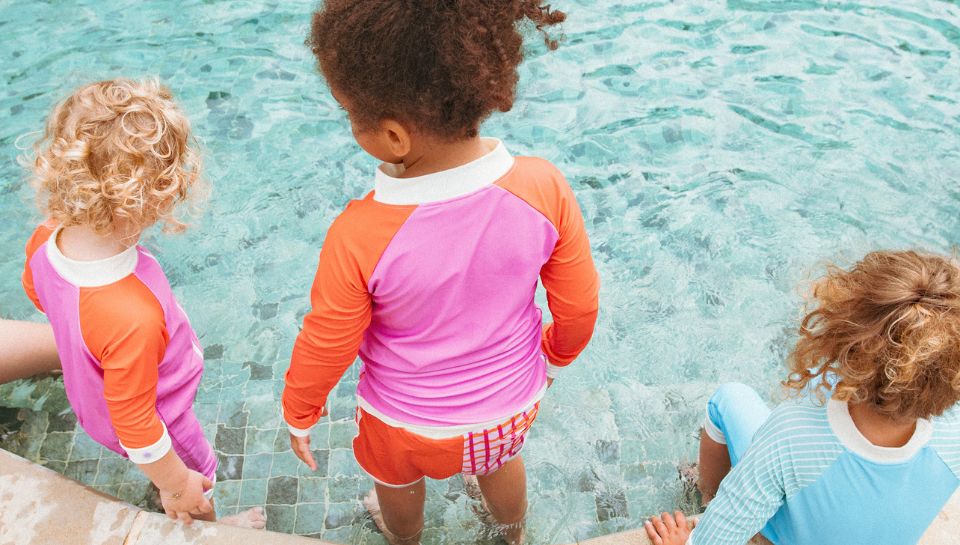
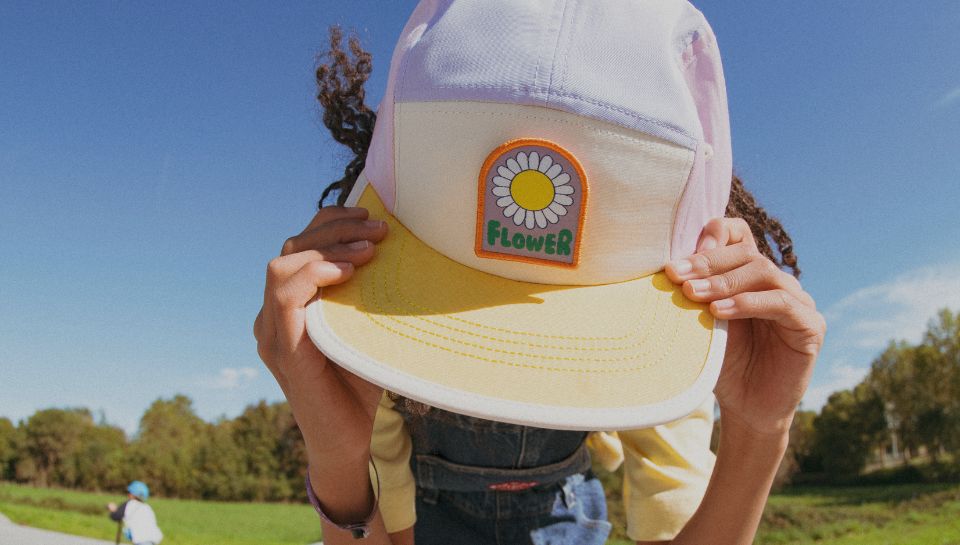
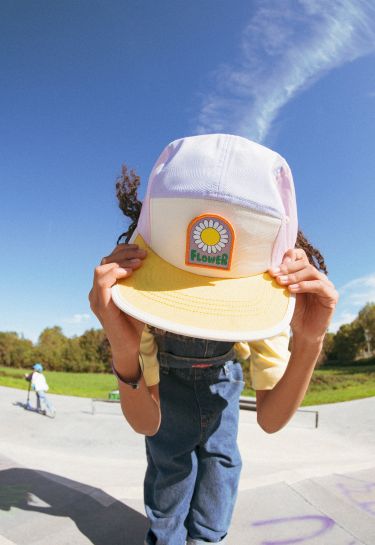
A wide-brimmed hat, a cap with a visor, an anti-UV t-shirt: all these products are essential. They limit direct contact with the skin and eyes and provide an additional barrier against the rays.
Sunscreen: choice, application, and reapplication
Opt for an SPF 50+ sunscreen specifically for infants and children. Apply it 30 minutes before exposure, then reapply every 2 hours and after every swim. Don't forget sensitive areas such as the face, ears, and neck.
Hydration: the importance of giving water regularly
Let's offer drinks frequently, even without thirst. Small, regular sips of water effectively prevent dehydration, especially on hot days.
Sunglasses for babies aged 0 to 1 year
Before 1 year of age, the eyes filter almost no UV rays. Therefore, we recommend equipping your little one with category 3 lenses, and preferably lightweight, unbreakable frames. Find our selection of Baby sunglasses adapted for the youngest ones.
Sunglasses for children aged 1 to 4 years
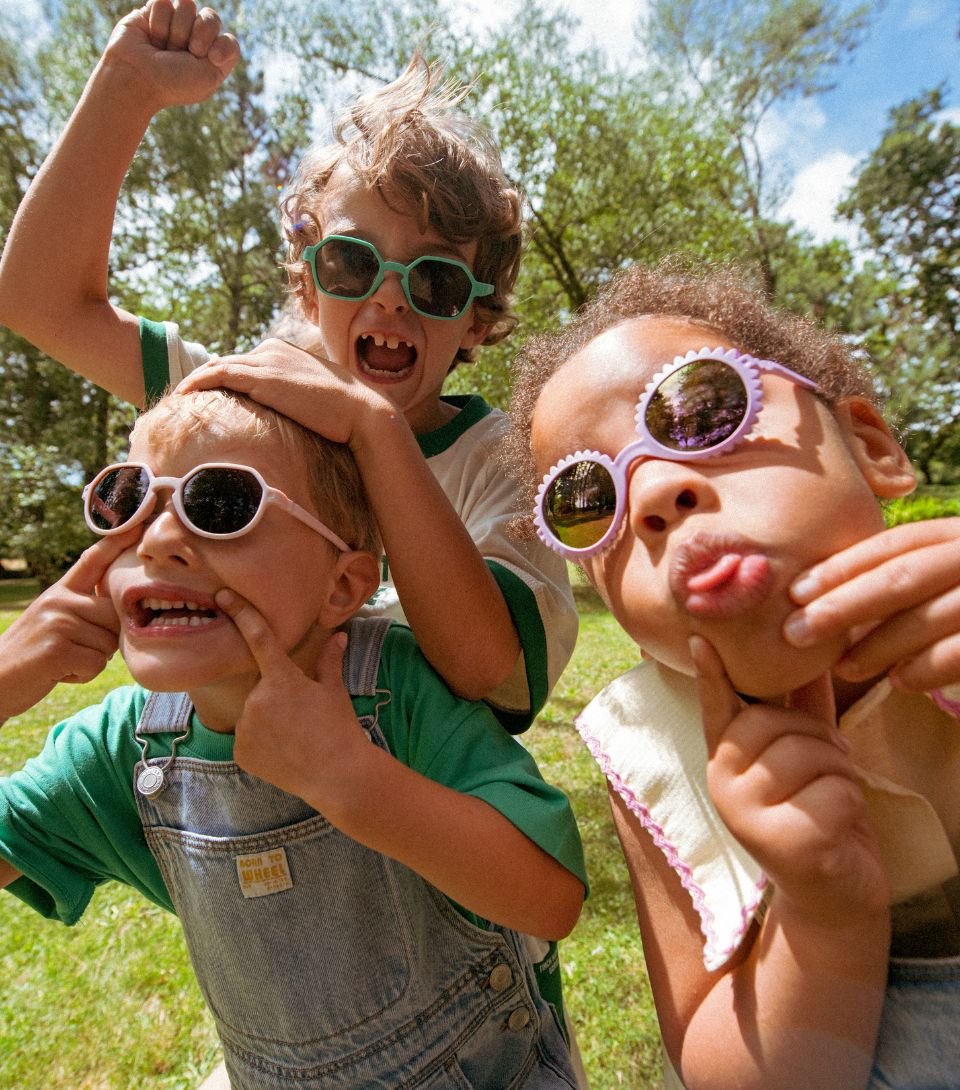
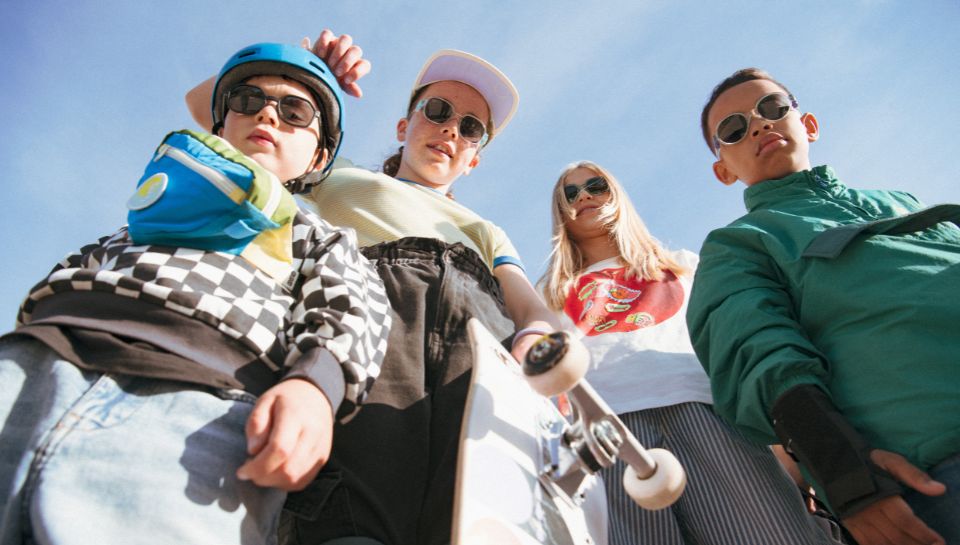
Kids move around a lot! Their frames must be lightweight, comfortable, and solid. Ki ET LA offers a range of Children's sunglasses designed to accompany them in their daily lives.
Junior sunglasses for ages 4 to 9 years
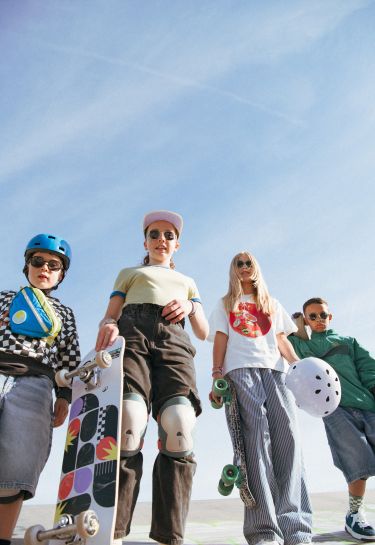
For older children, style and comfort are just as important as protection. Opt for trendy-looking models with 100% UV filtration to continue preserving their vision as they grow.
Why choose Ki ET LA products?
At Ki ET LA, kids' safety comes first. Thus, every accessory is designed to combine safety, comfort, and style! Our sunglasses, with their category 3 lenses, offer 100% UV protection. Furthermore, we offer flexible and unbreakable frames for ages 0 to 4 to withstand all their adventures, while ensuring optimal protection to limit the risk of cancer.
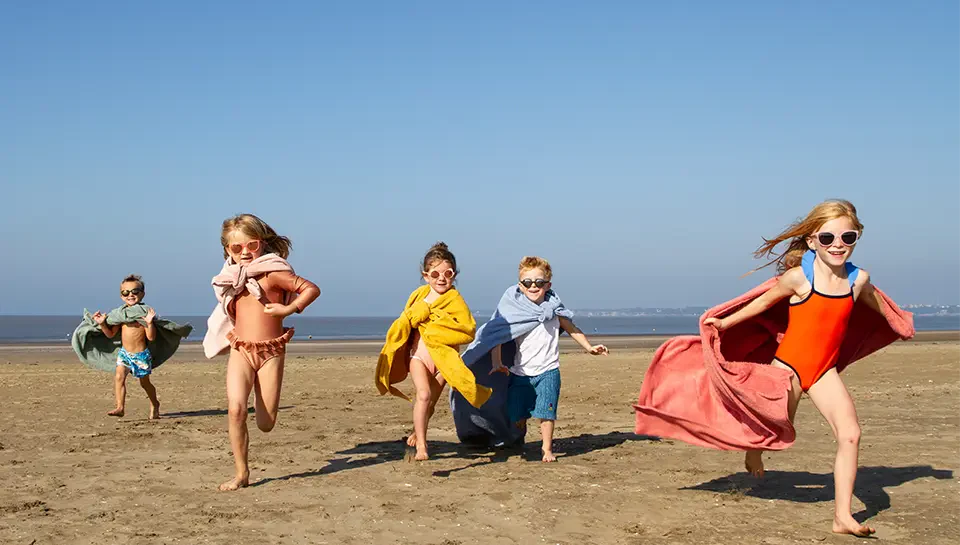
To protect kids' health against UV radiation, we also offer hats and swimsuits adapted to every skin phototype & type, with a high SPF rating, to limit skin effects and the dangers of the sun. Even a few minutes of exposure, in the snow or in the mountains with little covering, can present a low but real risk of cancer. So, try our advice to prevent harmful effects and effectively protect your children.
All this in a playful and fun spirit that appeals to both children and their parents as they seek out new adventures.