




Summary:
- Understanding UVA and UVB: the sun's UV rays
- Why are children more sensitive to the sun?
- Good sun protection habits for a child
- Sunglasses: essential for protecting children's eyes
- Anti-UV hats and clothing: essential protection
- Sunscreen: a must-have to complete protection
- Baby and the sun: essential precautions
- Sun and children: adopting good habits all year round
When the sun comes out, days spent outdoors increase: parks, the beach, vacations, family outings… Children love playing outside, and it is excellent for their development. But their skin and eyes are much more sensitive to UV rays than those of adults. Proper sun protection therefore becomes essential.
Between UVB, UVA, sunscreen, hats, sunglasses, and even anti-UV swimwear, it is not always easy to know how to properly protect your baby or child. Here is the essentials you need to know to enjoy the sun with peace of mind.
Understanding UVA and UVB: the sun's UV rays
The sun emits different types of UV rays that reach our skin. The two main types are UVA and UVB, and each acts differently on children's skin.
UVB rays are responsible for sunburns. They act mainly on the skin's surface and can cause redness, burns, and rapid irritation, especially in children or babies whose skin is thinner.
UVA rays, on the other hand, penetrate deeper into the skin. They are present all day long, even when the sky is slightly overcast. UVA rays are involved in premature skin aging and can also cause long-term damage.
For good sun protection, it is therefore essential to protect yourself against both UVA and UVB rays.
This is why anti-UV gear, sunglasses, hats, or anti-UV swimwear play a key role in protecting children from the sun.
Why are children more sensitive to the sun?
A child's skin is much more fragile than an adult's. It is thinner, contains less melanin, and defends itself less effectively against UV rays.
With a baby, the situation is even more delicate. Before the age of 3, the skin is not fully mature and remains extremely vulnerable to the sun's rays.
Children's eyes are also more sensitive. Their lenses filter out fewer UV rays, which means that more radiation reaches the retina. That is why children's sunglasses are essential from a very young age.
Excessive sun exposure during childhood can increase the risk of skin problems later on. Sun protection must therefore become a daily habit.
Good sun protection habits for a child
The best sun protection relies on several simple actions that, when combined, offer effective protection against UV rays.
The first step is to avoid the hottest hours. Between 12 PM and 4 PM, the sun is particularly intense and UV rays are stronger.
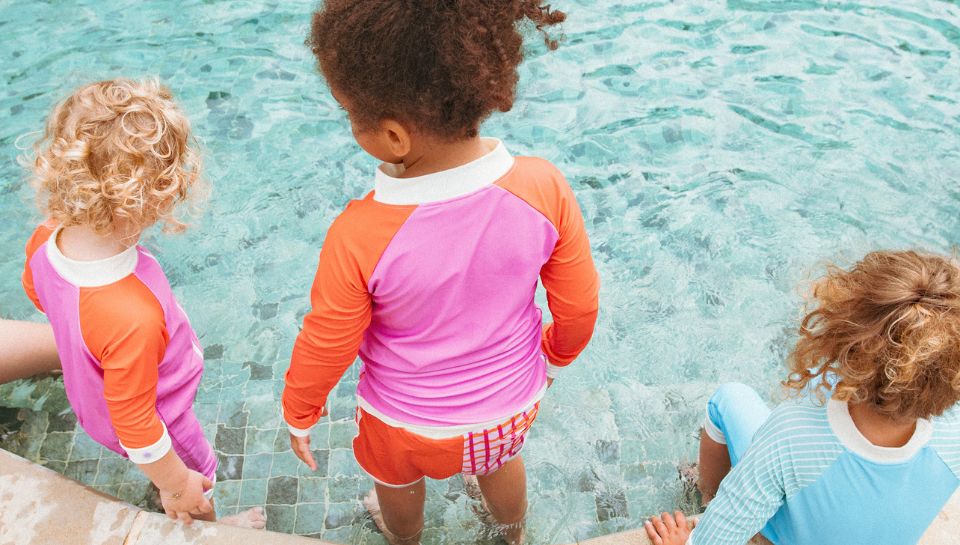
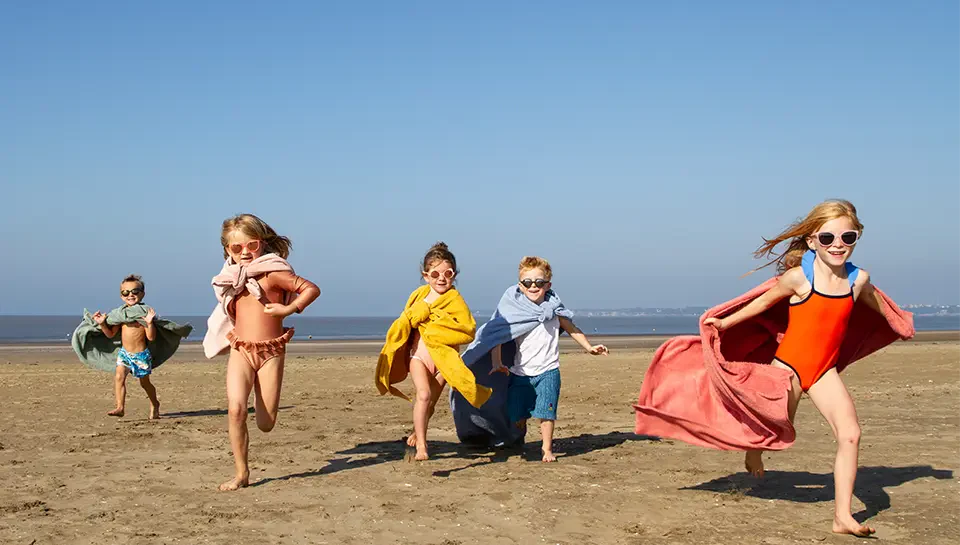
Next, it is important to cover the child with appropriate clothing. For example, anti-UV swimwear is perfect for protecting skin while playing in the water, at the beach, or at the pool.
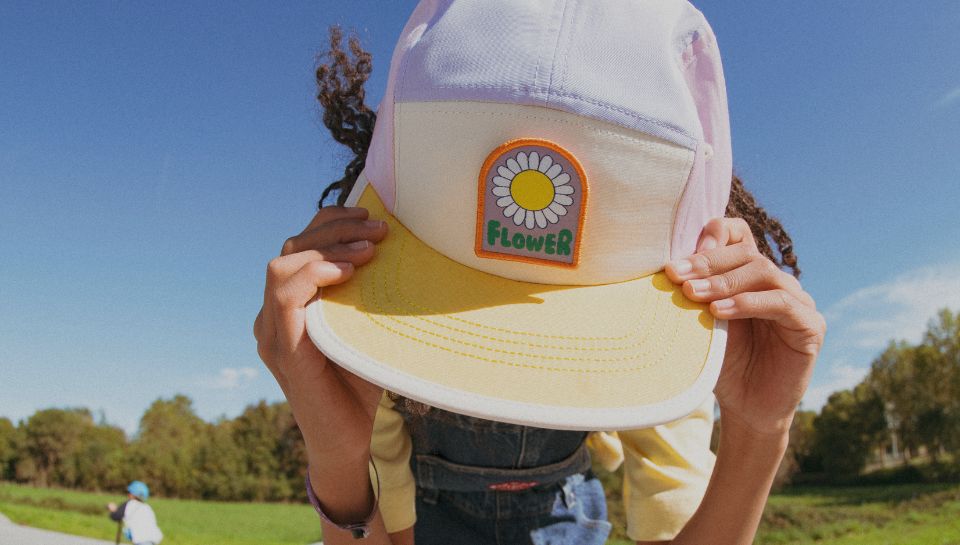
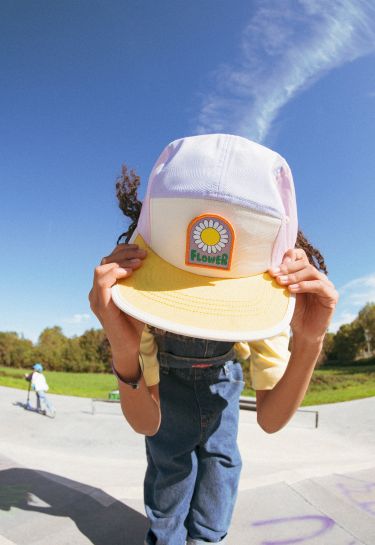
Hats are also essential. They protect the face, ears, and back of the neck, which are areas very sensitive to the sun.
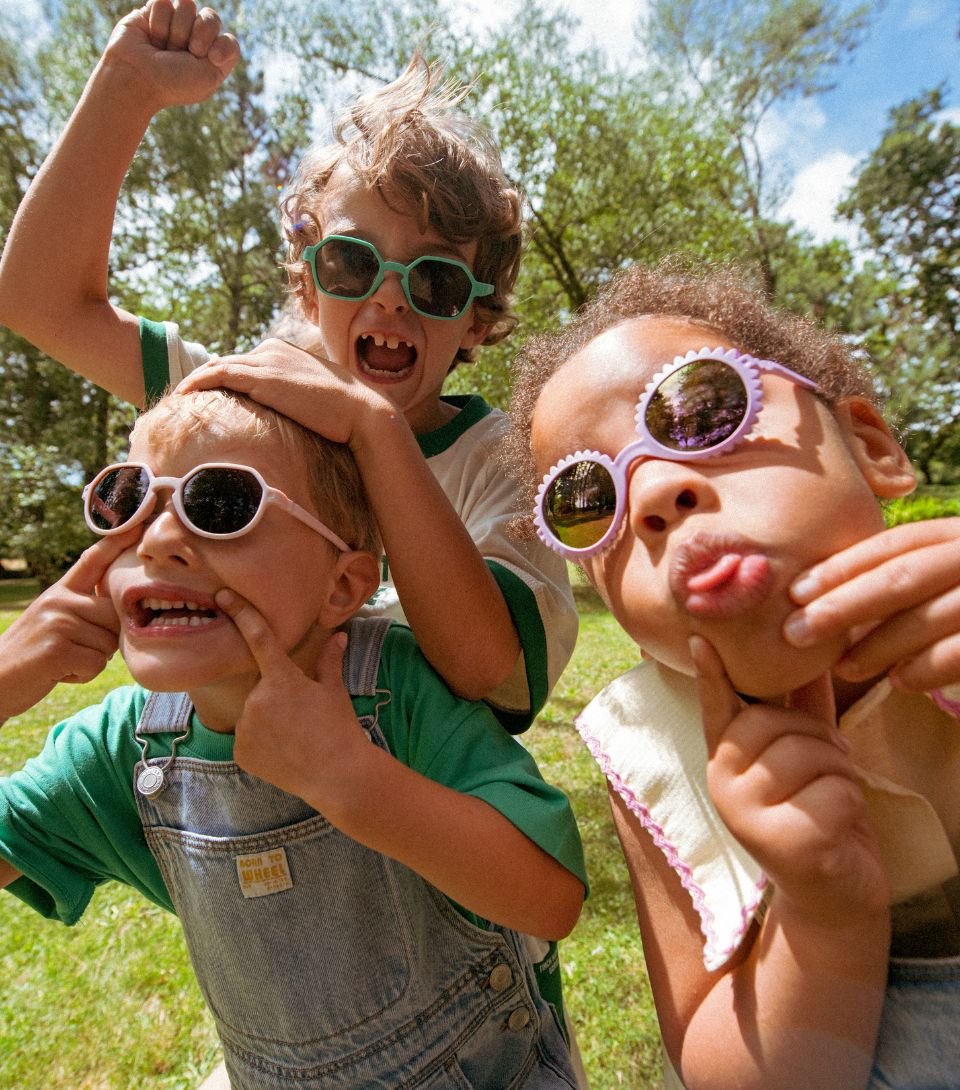
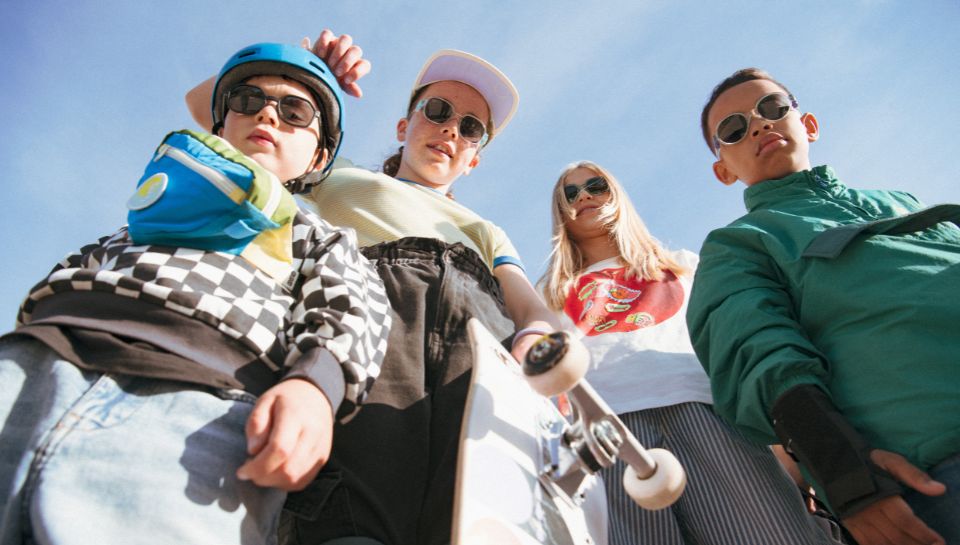
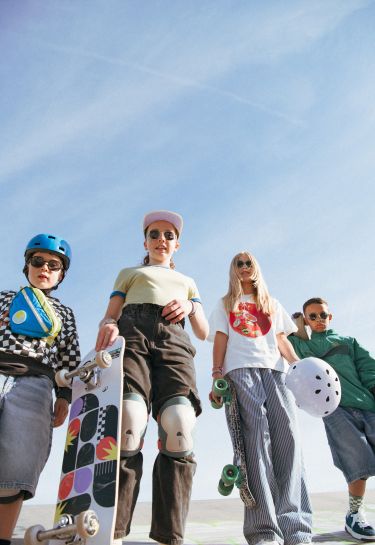
Sunglasses are essential for protecting children's eyes from UV rays. They must offer effective anti-UV protection (category 3) and be well-suited to the child's face.
Finally, sunscreen remains an essential supplement, especially on exposed areas such as the face, arms, or legs.
Sunglasses: essential for protecting children's eyes
We often think about skin, but eyes are also very vulnerable to the sun. For children, eye protection is essential.
Children's sunglasses must block 100% of UV rays and be designed specifically for the youngest. A good pair of sunglasses protects eyes from UV rays, but also from glare. We recommend choosing sunglasses with category 3 lenses.
Sunglasses for babies are available today from the very first months. They are designed to be comfortable, lightweight, and resistant to being handled by little ones.
For a child, wearing sunglasses should become a habit as soon as they play outside, at the beach, in the mountains, or during vacations.
Anti-UV hats and clothing: essential protection
Hats are one of the simplest and most effective accessories for protecting a child from the sun.
A good anti-UV hat protects the face, forehead, ears, and sometimes the back of the neck. Wide-brimmed models or covering bucket hats offer excellent sun protection.
For water activities, children's anti-UV swimwear is particularly practical. It protects the skin while allowing children to play freely in the water.
This anti-UV clothing reduces sun exposure while limiting the amount of sunscreen needed on the body.
We recommend UPF 50+ certified hats and swimwear, as they block 98% of UV rays.
Sunscreen: a must-have to complete protection
Even with hats, sunglasses, and anti-UV swimwear, sunscreen remains an essential part of sun protection.
For a baby or child, it is recommended to use a sunscreen with a high index, ideally SPF 50. You can, for example, use Biolane brand sun care products. Their products are clinically tested and their sunscreens are SPF 50+ certified.
Sunscreen must be applied to all areas exposed to the sun:
- face
- ears
- neck
- arms
- legs
- feet
It must be reapplied every two hours, and after every swim, even if the sunscreen is water-resistant.
Baby and the sun: essential precautions
For a baby, sun exposure should remain very limited.
Before the age of one, it is best to avoid any direct exposure. The best sun protection consists of keeping the baby in the shade, under a parasol, an anti-UV tent, or a stroller equipped with a sun shield.
If an outing in the sun is unavoidable, it is important to use multiple layers of protection:
- a covering hat
- sunglasses for babies
- anti-UV clothing or swimwear
- sunscreen suitable for babies
These simple steps effectively protect a baby's fragile skin.
Sun and children: adopting good habits all year round
Sun protection is not just for summer or beach vacations. UV rays are present all year round, even in spring or in the mountains.
Accustoming children to wearing sunglasses, a hat, and using sunscreen helps anchor good habits for life.
Anti-UV swimwear, hats, and sunglasses are simple solutions today to protect children without preventing them from enjoying the sun.
Because the sun remains, above all, a pleasure for families... provided that you adopt the right habits to preserve the skin and eyes of the youngest.